Showing posts with label kids. Show all posts

Thursday, February 19, 2015

More Than A Decade of Breastfeeding

When I was pregnant with my first child, I devoured all the books I could get my hands on.  I read every book on pregnancy, natural childbirth, and breastfeeding that I knew existed.   I took the breastfeeding class that was offered at the hospital.  As well as a private Bradley Birth course, and even a water birth class offered at the hospital too!  I had my plan to birth naturally in water at the hospital with which ever Certified Nurse Midwife was on duty and we'd blissfully breastfeed without issue because I'd read all the books and knew all the tricks.

Well.....reality did not happen that way.  I had a c-section.  I struggled with postpartum depression and flat nipples causing nursing to be very painful and difficult.  I incorrectly used the pump offered at the hospital and it rubbed blisters on my nipples.  I was left cracked, bleeding, engorged, staples in my abdomen, a baby that wasn't sucking properly, and nurses on staff that just wanted to give her a bottle and had no experience breastfeeding.

The 2nd day of her life I finally relented and allowed them to take her to the nursery and they gave her a bottle.  I was told she sucked it down no problem and was sleeping peacefully.  I cried as I walked the halls with my husband and felt like a failure.  A friend visited us just after I'd pumped some milk and asked why my milk was orange.  She had breastfed her kids but never seen orange milk before.  That was weird.  Maybe it was from all the orange juice they'd given me in the hospital.  (It wasn't....it was because it was colostrum.  AKA liquid gold!)

On the 3rd day it was finally a Monday.  A Lactation Consultant came on staff and worked with us before we were released to go home.  I still remember the moment she told me she was swallowing my milk and I'd just had a "let down" (milk ejection reflex).  I hadn't noticed as I was preoccupied by the period like cramping as my uterus was apparently contracting due to the nipple stimulation.  I looked at my baby and saw her little jaws working hard as she swallowed rapidly.

We went home and continued on our journey.  Many trips were made back to the Lactation Consultant over the following weeks.  I was given a nipple shield that added to our drama as then my baby would not nurse without it and I had to figure out how to wean her back to just the breast.  I spent 4 weeks in excruciating pain as my nipples stretched out and we worked out this breastfeeding thing.  Knowing I also needed to pump and work on a stash of frozen milk for when I went back to work at just 8 weeks postpartum, added to the stress.  As did the loss of the birth I had envisioned.  I think possibly the ONLY reason we made it through was because I was absolutely determined that since I didn't get to birth my baby the way I had wanted, that by golly, I was gonna feed this baby the way my body was intended to feed her!

I looked for a support group like La Leche League to join and there was none around.  Well meaning family members told me of their breastfeeding failures of big babies and not enough milk, as well as of how I was creating bad habits holding and sleeping near my baby.

I was exhausted.  My baby would only sleep in my arms.  I tried all the tricks to get her to sleep in that nursery we'd put so much time and effort into, yet she would have none of it.  We finally gave up trying and just left her with us.  It was the first time we all got sleep.  Sweet, glorious, peaceful sleep.

After a while I started getting comments from others that breastfeeding was gross, that co sleeping was going to destroy my marriage by letting the baby into our beds and ruining our sex life.  When I would attempt to defend my choices by pointing out how other cultures cared for their babies, I was told that they were spiritually dark and deceived.   It's unbelievable the things that our current culture has warped in regards to our family dynamics and stolen from us.  Many of them in the name of Christianity and all things biblical.  I desperately wanted to find support for our journey.  It seemed I was the only person in the United States making the choices that we were.

I had set out to breastfeed for the recommended 6 months, but then I learned that the American Academy of Pediatrics had recently changed their recommendations to a year!  So then I thought, "Well....maybe I'll go to a year then."  THEN, I found out that the World Health Organization recommended 2 years!!!!  I honestly didn't think I could nurse that long but filed away the info anyway.

We moved just before my baby's first birthday.  I was SO excited to learn that our new location had numerous La Leche League groups that met up.  One even had a Toddler and Tandem group that met regularly!  Finally, I had found others like me and I was no longer alone.  I nearly cried with joy and relief.

Thanks to all that breastfeeding, I didn't get pregnant with my 2nd child until my baby was 21 months old.  It was a bit trying at times as my nipples were quite sore.  Over time it got better though.  I found that it actually hurt less the more often I nursed.  I guess the hormones helped reduce soreness somehow.  We nursed through most of that pregnancy only getting a couple of weeks break towards the end before the baby was born and my older baby returned to nursing at some point.  That birth, by the way, was a home birth attended by an amazing midwife that supported my desires to have a vaginal birth after a cesarean.

I felt much more prepared for breastfeeding this time, though I did still have sore nipples the first couple of weeks.  Turns out that no matter how experienced mom is, it's still a brand new skill for the baby and takes some practice to get it right.

My oldest is getting ready to turn 12 this year.  I've now breastfed 5 children until they all naturally weaned between 2 1/2 - 5 years old.  One of them is still nursing and is only 8 months old.  Which means I've been lactating for well over a decade at this point and often nursing 2 children at a time.  So here's what I've learned.


  • Breastfeeding is a lifestyle.  Almost more so than it is simply a feeding choice.
  • I don't remember the last time I wore a non nursing bra or sports bra.  
  • My wardrobe is put together based on how easily accessible my breasts are.  
  • Dresses have no place in my life at all.  
  • Nursing shirts are worth their weight in gold as they are pretty and easily disguise my ultimate goal of "whipping out" my breast discreetly in a moment's notice.
  • My children are well attached to me and their dad and will not stay with a babysitter for at least the first year.  Sometimes longer.  They simply are not ready to be away from us and no one else can take our place.
  • With 5 babies, breastfeeding and cosleeping clearly has not destroyed our marriage.  If you are only able to have sex in your bed and your child is hampering that, then your sex life is boring and you could use a little spice.  Be adventurous!   
  • It's been over 12 years since I've slept more than a 2 hour stretch without being awakened.  At first it was bathroom trips in pregnancy, which I now call training for real life as a mom.  Now it's to roll over and put a boob in a kid's mouth and fall back to sleep without ever opening my eyes.
  • I don't know how often my baby nurses nor for how long.  I've never counted.  When the doctor asks I simply say I don't know, but apparently it's enough.
  • I nurse on demand and have mostly missed the last two babies growth spurts until they stopped nursing constantly and I felt engorged. Then I realized they were sleeping more and must have had a growth spurt.
  • I've awakened with a baby attached to my boob and not remembered doing that, but I must have, because it happened.
  • I have permanent headlights.  Which is shocking to me since I had flat nipples pre-kids.
  • It's freaky how far my nipples can stretch now.  I wonder if there's a Guinness Book of World Records category for this? 
  • The best way to talk on the phone is while nursing.  Assuming I MUST talk on the phone, that is.
  • I've attended Nurse In's and I loved it.
  • The best and only book one really needs to read is The Womanly Art of Breastfeeding.
  • I've breastfed in just about every place imaginable. Yes, including in public and in church.  And no, I don't cover my kids' head with a blanket.
  • I've never had anyone say something rude to me for nursing in public, although once in Meijer a male employee offered to get me some water.  He said his wife just had a baby and he knew how thirsty she gets that maybe I was too.  :)
  • I've learned the best way to keep a baby from crying is to breastfeed.  Milk cures everything.  Loneliness, spills, falls, sadness, disappointments, boo boos, sickness, everything.
  • I've also learned that milk really does cure EVERYTHING!  Eczema, pink eye, earaches, you name it.  Put a little breast milk on that!
  • Support is probably the most important make it or break it to your breastfeeding journey.  If at all possible, find a local La Leche League Group.
  • Misinformation is the biggest contributor to failed breastfeeding relationships.
  • Chiropractic and/or Cranio Sacral Therapy are amazing tools that every baby (and mother) can benefit from in their nursing journey.  
  • Having breastfeeding babies that snuggle so well is a huge perk when mom isn't feeling well.  Typically the little one will nap more and stay right with you nursing so you can get more rest too.
  • I can't even imagine what my life will look like when I no longer have a child breastfeeding.  As I approach 40 though, I know it will happen eventually.  
  • I will never regret the time I've spent holding and nursing my babies.
This post came about as I thought about how many other moms there are out there that have had a similar journey.  Or, that may be in a similar place.  It's not commonly heard of to be a mom that's nursed for so much of their life.  Yet I know we exist.  :)  Speak up and share your wisdom and support with others.

**Be aware that I am an affiliate for some items.  If you order through my links, it does NOT change your price, but I do get a small portion of the sale.**

Thursday, February 12, 2015

Super Fast & Kid Friendly Cornflake Crusted Chicken Strips

This meal is one of those that comes together in 30 minutes or so and your kids can help you too.  It's so simple I feel a little silly even writing about it because I'd guess most people already have made something similar.  I'm sharing anyway for the sake of getting myself back in the habit of sharing.


Ingredients:

3 cups of cornflakes (use whatever you want.  Organic, GMO free, Kellogg's, it's up to you)
2 Tablespoons melted butter (don't like butter, no problem!  Go with coconut oil or margarine)
1 teaspoon of paprika 
salt and pepper to taste
2-4 boneless skinless chicken breast

Bag of frozen veggies to steam while your chicken bakes

Preheat your oven to 400 degrees with a rack in the middle position.

You can ideally do this one quickly by putting the cornflakes, butter, paprika, salt and pepper in a food processor and zipping it up.  Or, you can let your kids help out by letting them zip it or.  OR, you can put the ingredients in a zip lock bag and let your kids crush it up really good.  Which is way more fun!


Cut the chicken breasts about a 1/2 inch thick, toss the pieces in the bag and shake til coated thoroughly.


Lay out in a single layer on a well greased cookie sheet and bake 20 minutes in your preheated 400 degree oven.

Get your pan of water to a rolling boil and toss your frozen veggies into a steamer basket for about 7-10 minutes.  Depending on what you're steaming up.  Or, you could microwave your veggies if you happen to choose that method as your preferred way.  Once the veggies are done, I like to pour out the water in the pan, dump the veggies into the hot pan with either some butter, or some cheese, and a few good shakes of Mrs. Dash.

Boom.  Dinner is done.


Throw away your baggie you crushed up your cornflakes in and coated the chicken pieces in cause you just saved yourself a few dishes by letting the kiddos beat up the cornflakes.  Not a lot of clean up to this meal!


Sunday, August 18, 2013

Cavity Fighting, Remineralizing Toothpaste

And, it's squeezable!  How about that?  :)  I took a recipe from Wellness Mama and mixed it up a bit with some info that I've learned along the way on our Cure Tooth Decay journey.

The first ingredient in the original recipe is Calcium Carbonate Powder.  Or Calcium Magnesium Powder.  These can be purchased at Vitacost for relatively cheap!  (If you've never purchased from them before, may I introduce you to a friendly referral code so we could both get $10 off?  Just click here - Vitacost referral.)

However, what I did was that I used cell salts.  Cell salts are a part of the recommended protocol for healing tooth decay by supplying important minerals that help heal and harden bones.  Is it cost effective for this?  No.  Not really.  But I had then on hand already and I thought they would make a great substitute.  So, using the powder above is a more cost effective route.  I used 1 teaspoon of each of the following cell salts, #1 - Calc Fluor, #2 - Calc Phos, #8 - Mag Phos, #10 Nat. Phos, and #12 Silicea.  To learn more about the importance of cell salts to a healing regimen, check out this link.

Next is xylitol powder.  I use crystals and just ground them up in my food processor along with the cell salt tabs.  While most xylitol is a GMO product because it's made from corn, you'll want to look for a pure birch xylitol. Particularly if you are using it in something that will be ingested.  Vitacost carries both types of products.  The birch xylitol is quite expensive.  So for ME, as long as it's not being ingested, I use the GMO product.  It's usefullness at preventing the bacteria that causes decay is noteworthy.  And as I mentioned, we aren't swallowing or ingesting the toothpaste.  Therefore in this recipe I just used the regular ol' Vitacost brand of xylitol.  For more information on how xylitol is helpful in oral care, this link might help a bit.

Coconut oil is used in this recipe.  I used Vitacost brand of this as well.  Coconut oil helps bring everything together, plus it's just SO good for you!  It has anti bacterial and healing properties all of it's own.

Baking Soda.  Any kind will do.  This is helpful for balancing the pH of the mouth and even to gently polish and whiten the teeth.

Bentonite Clay.  I purchased a 1 pound bag of it from Frontier.  You can also get it at Vitacost as well if you don't have access to a wholesale group to get it a bit cheaper.  This particular ingredient is supposed to help with the remineralization due to the calcium that is in it.  As well as draw out any toxins that may be in the mouth or on the teeth contributing to the loss of minerals.

Distilled Water.  I did not use water.  Instead I opted to use vodka.  As soon as water is introduced to a recipe, you run the risk of growing bacteria, fungus, or molds.  Vodka, is an alcohol (Duh!) and therefore will act as a preservative and prevent bacteria or molds from growing.

Essential oils and trace minerals.  I LOVE (and am an affiliate for) Mountain Rose Herbs certified organic essential oils.  I opted to use a bit of Cinnamon Bark, Clove Oil, and some homemade Black Walnut Hull tincture.  Black Walnut Hull has some amazing healing benefits and is even being researched for use in some cancer treatments!  For this recipe, I'm using it for the purpose of strengthening and restoring tooth enamel.  It also helps destroy germs and bacteria!  Which is a major bonus for any of us doing this journey to heal tooth decay.  Clove oil helps improve blood circulation and also is a powerful pain reliever, as well as being anti bacterial and anti septic and is known to freshen bad breath.  Thankfully, my kids aren't having any tooth aches or pains, but if they were, this would be a great help for that.  And finally Cinnamon Bark.  It is a very strong anti bacterial essential oil.  I would NEVER advise using it 'neat' or undiluted.  In this recipe, I used it very sparingly.  I actually only added it for a hint of cinnamon flavor since it would be used for kids and peppermint is not advised for children's use.

Ok, so here's how the recipe looked in the end after I made a much a smaller amount and switched up some stuff.

5 teaspoons of cell salts (or you can use your calcium powder, etc)
3 teaspoons of xylitol
4 teaspoons of coconut oil
1 teaspoon of baking soda
2 teaspoons of bentonite clay
3 teaspoons of vodka
8 drops each of clove oil and cinnamon bark (*optional!  I don't recommend if using for kids!!!)
20 drops of black walnut hull tincture

First, I took all the dry items and crushed them up in my food processor.  The cell salts (or your calcium powder), the baking soda, bentonite clay, and xylitol.


Alternatively, you could use the Birch Xylitol.


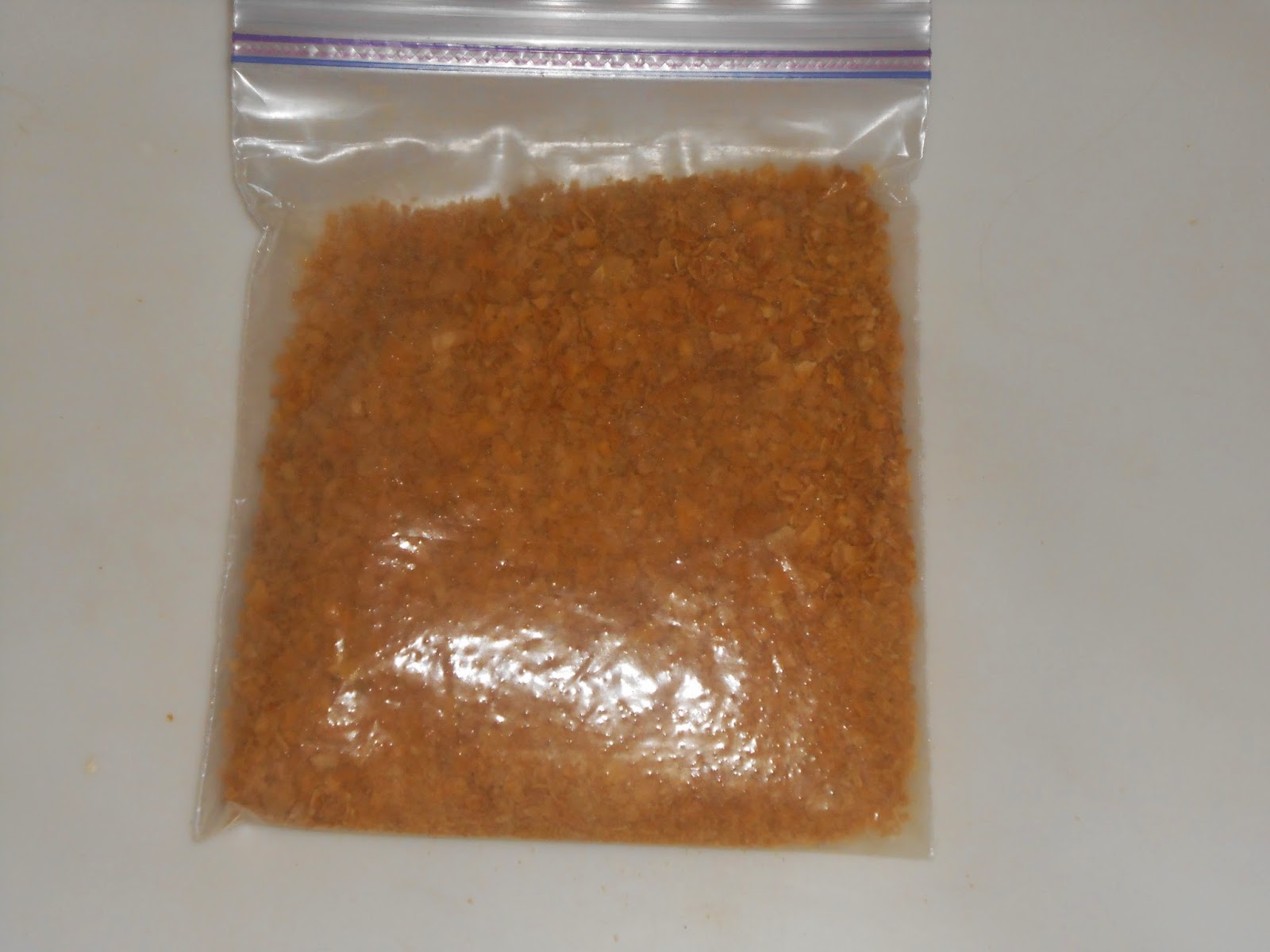
This is what it all looks like as a powder before you add in the liquids.


Ok, then dump all of that out into a bowl and add you coconut oil and vodka.


Then add in your essential oils of choice.


Mix it all up together really well.


I picked up a 3 oz squeeze tube at Walmart in the travel container section for 97 cents.  It is NOT BPA free however.  For some, you may want to invest in something other than the walmart one.  That's totally cool!  I get it!  But since BPA is most often the concern for when the plastic is heated and this toothpaste is not warmed for any reason, I am not too overly concerned about chemicals leaching, and I'm trying to work on a tiny budget.  So, this worked for me.

And the final product.


It's a nice consistency and squeezes out really easily.  This recipe only filled the tube about half way so realistically it could probably be doubled for a full container.  It doesn't bubble like store bought toothpaste, but it does a good job of cleaning our teeth.

So there ya go!  A homemade toothpaste recipe.  :)

Wednesday, June 26, 2013

"B" Balm

I wanted to make a balm that would be perfect for anything my husband and kids would encounter on their exploring expeditions in the ravine as they pretend to "survive".  I should elaborate a bit here.

My kids' favorite show is Dual Survival.  You know, the show where two men from completely different backgrounds get dropped off in different locations and attempt to survive and find rescue.  In fact, last year, I had to MAKE them at least take shoes with us when we left the house in case we went somewhere that didn't allow bare feet.  They loved the show so much that they built a shelter in our yard and foraged our garden for food.  They used the corn stalks as a lean to up against the old smokehouse and made a table to keep their food on.  Under that tuna can.....are grasshoppers.  Apparently they are a great protein source.  *gross*


So anyway, I wanted to make a balm in a small lip balm tube that was easily portable, can stick in a pocket or backpack and that it was powerful enough to handle pretty much anything relatively minor that may come up on their little escapades.

And thus, the birth of "B" Balm.  It's perfect for any sort of "B"ump, "B"ruise, "B"ug "B"ite, "B"lister, "B"lemish, "B"urn, minor "B"leeding, etc.,  AND, it's "B"lack.  :)  I've tried it on mosquito bites and it takes the itch away very well!  I've tried it on scrapes, bruises, and unknown bumps and it really is a neat little balm.  It takes away the pain and helps relieve inflammation.   Better still, I've been battling "dry skin" for over a year.  The dermatologist simply said to wear gloves often, slather in vaseline (Ick!), wash my hands with soap less often, apply a steroid cream, and seal my cracks with super glue.  Seriously!  No joke here!  However, after only two weeks of applying this balm to my hands twice a day, my hands look better than they have in over a year!  For the first time since this condition began, I do not have a single crack in my hands or knuckles!  It is AMAZING!

I think in future batches I might up the beeswax so that it melts less easily.  The only reason this is a problem is because it's summer, we don't have air conditioning, and it is quite soft when I go to use it.  I don't mind, really.  But my youngest got a hold of my balm in the van, it had melted, and she poured it all down the front of her shirt.  :)  And because it is summer, a hardier balm would probably do better, but this would be perfect for winter use as is.  IF you make this and plan to use it for warm weather purposes, just up the beeswax to your liking.  NO need to adjust any other measurement other than the amount of tubes it would fill.

This recipe as is, filled 40 lip balm tubes.  However, you can certainly use something other than lip balm tubes.  You could use any kind of tin or container you want!  You can also make LESS of the recipe by halving it.  Or, maybe cutting it into a third would be doable.  It's pretty easy to find tubes though.  One place I like is - From Nature With Love .  I love ordering special oils and butters from them, as well as containers.  They aren't necessarily the cheapest for this particular product, but, they do have free shipping specials with a $75 order.  Or, at least they did when I ordered.  I also got my Karanja Oil from there that I used in this recipe as well (it also happens to be on sale for 50% off at the moment!).

Another cost savings alternative would be here - Mountain Rose Herbs.  Here, you can get 100 tubes for just $22!  However, you do have to pay shipping.  While you're shopping there, be sure to check out their fabulous selection of Certified Organic Essential Oils!   I used Tea Tree Oil, Lemon, and Lavender in this recipe.  Not to mention the numerous other herbs in this!  At least half of them were from Mountain Rose Herbs.

Ok, so here we go.  At the end, I'll write WHY I chose each specific ingredient.  But, lets get started.  Shall we?  :)

1/2 cup of Safflower Oil
1/2 cup Certified Organic Extra Virgin Coconut Oil
1 Tablespoon dried Plantain leaf
1 Tablespoon dried Lemon Balm
1 Tablespoon Uva Ursi
1 Tablespoon Comfrey
1 Tablespoon Burdock Root
1 Tablespoon Calendula
1 Tablespoon Peppermint
1 Tablespoon Black Walnut Hull
1 Tablespoon Basil
1 Tablespoon Thyme
1 Tablespoon Sage

Infuse those all together on your stove on low for several hours.  Be sure it doesn't get too hot and boil as that can kill some of the good for you properties.  When you're done infusing, strain the oils from the herbs.  Be sure to wring out your cloth REALLY well to get all the concentrated oils from the saturated herbs.


Put this newly infused oil into a double broiler, or similar, then add in your Karanja Oil and Beeswax.  

*****

1 oz. Karanja Oil - I chose this oil for it's medicinal purposes, but didn't want to "waste" it with the infusion process because it's rather expensive.  Therefore I added it AFTER infusing so that I wouldn't loose as much of it in the oils left in the herbs and cloth.

1/4 cup of beeswax - * add more for a firmer balm*  I prefer using the little beeswax pellets cause it's easy peasy, no melting or grating or anything else for measuring, just scoop and use.  Test your firmness by putting a drop on a plate that's been in the freezer for a few minutes.  If it's not firm enough for you, melt in some more beeswax til it's satisfactory. 

Once your beeswax is melted thoroughly, remove from heat.  Let it cool just slightly.  Not enough to start hardening, but just enough that it's safe to add our essential oils, but still be liquid enough to put into your containers.  Add in:

10 drops of Tea Tree Oil
15 drops Lemon essential oil
15 drops of Lavender essential oil

Mix well and put in your tubes, or other containers.


And there you have it!

Now, for the reasoning behind each item.

Plantain - heals wounds, cuts, and scrapes, repairs damaged tissue, and treats bruises.  Also does a good job of easing pain associated with poison ivy.

Lemon Balm - has an anti-histamine effect.  Which basically means it reduces inflammation associated with bites and stings.

Uva Ursi - is anti-inflammatory, anti microbial, and astringent.

Comfrey - in and of itself, it's good for burns, blisters, and bruises!  However, you should NEVER use straight comfrey on an open wound.  It's healing powers are so great that it can cause the top layer of skin to heal up over the wound, trapping the under layers of wounded skin beneath.

Burdock Root - is good for burns and is an anti inflammatory.  Burdock usually grows near Stinging Nettles and is it's remedy.  If you get stung with nettles, grab a leaf of burdock and rub on the affected area.  It neutralizes the sting like nobody's business.  Burdock is also good for other inflammatory purposes like arthritis, eczema, psoriasis, and even acne. 

Calendula - promotes healing of skin wounds and reduces inflammation.  Antibacterial and antiviral.  Used to treat everything from diaper rash to cancer.

Peppermint - Analgesic, antiseptic, antibacterial, great for burns and bites.

Black Walnut Hull - This is an excellent anti fungal.  A common treatment for ringworm. Can be used for many sores, blisters, or bites.

Basil - Basil is from the same family as peppermint and offers many of the same benefits.  Anti inflammatory and anti bacterial.

Thyme - Antiseptic and antifungal.

Sage - Antimicrobial, antibacterial, anti-fungal, anti-inflammatory.  Helps the healing process, even for surgical wounds.  Great for bug bites, stings, and allergic responses.

Tea Tree Oil - sometimes known as the cure all.  It's antiseptic, antifungal, and antibacterial.

Lemon Oil - Good for bug bites and wounds.  Anti-inflammatory and antiseptic.

Lavender Oil - Great for bruises, burns, and bug bites due to it's analgesic properties.  Bonus that it's anti inflammatory, antibacterial, and antiseptic.

Coconut Oil - Too numerous for me to count, really.  Just google the benefits of coconut oil if you have any doubt to it's wondrous healing properties.

Safflower Oil - I prefer it over olive oil in most skin care recipes due to it's lighter consistency and fragrance, coupled with it's moisturizing abilities and high vitamin E content.

Karanja Oil - It's full of great benefits as well! It promotes wound healing, is often used for treatment of skin conditions such as psoriasis and eczema.  It's a cousin to Neem oil, but less aromatic.

Is it possible to have created something just as good with fewer ingredients?  mmmaaayyybbbeee  But I wanted a full bodied balm to cover many different aspects and for it to be a one balm cure all for any encounter.  So, I worked to have it full of lots of different herbs and therefore a variety of benefits.  

And there ya go!  :)

Monday, May 13, 2013

Curing Tooth Decay ~ Things I've learned that may have contributed to our plight

As I'm learning, I'm sharing.  For several reasons.  1) I learn best by writing.  If I take notes in class, it's because I will remember it better by writing it down, so this is partly for my own remembrance.  2) I hope that what I'm learning, will be helpful to someone else.  3) So that I can come back and look at it when I need a refresher of why we are or aren't eating a particular food or using a product.

Some things I learned I can honestly say I KNEW that, but had chosen to ignore my instincts.  Other things, were truly revolutionary to me.

Since we are at the stage of attempting to remineralize teeth, we first have to understand what is happening.  Essentially, the teeth are not receiving the minerals they need to stay strong and healthy.  The body is leaching minerals from the bones.  Why?  The simple answer is that their diet is lacking necessary nutrients.  A more complex answer would be that their body is not able to process the nutrients in the foods they are eating.  Even if I gave them all the right foods, they may not be able to properly absorb them due to nutrient blocking foods they are getting in combination with the good foods.  I mentioned in my last post about how it was more important to keep the bad out than getting the good in because of this very concept.  I can give them all the vitamin supplements in the world (which aren't recommended anyway) but if the absorption is being blocked by other high phytic acid foods, then it's not going to work.  Maximizing nutrient absorption is key to remineralizing teeth.

Key nutrients needed for strong healthy bones and teeth are Vitamin A, D, C, magnesium, phosphorus, iron, copper, zinc, iodine, as well as a few others.  You can't just take a pill.  It HAS to come from your foods!  Even more important, those nutrients can't be BLOCKED by other foods and the nutrients need to be easily available for your body to absorb.

I know, it almost seems overwhelming, doesn't it?  But what I've learned is that traditional ways of preparing foods, are time consuming, because they work.  Pretty much anything that's quick or easy, is not worth the time or effort.  Let alone the money to buy it.  They are essentially junk foods.

A quick run down of some of our common day, American foods, and the yay or nays of them:

Major factor and Key Player right here - - - - >    Blood sugar stability - When blood sugar fluctuates, the calcium and phosphorus in the blood fluctuate with it.  White sugar can cause a fluctuation that lasts as long as five hours!  *5* hours!  Fruit sugar produces fewer fluctuations, but the blood sugar may still remain unbalanced for the same length of time.  Honey causes even few fluctuations, and will come back into balance in approximately 3 hours.  When the blood sugar becomes unbalanced, so are the blood calcium levels because the body is pulling calcium from your bones (teeth).  Calcium and phosphorus ratios are negatively affected over time by blood sugar fluctuations.  A combination of blood sugar stability and proper calcium/phosphorus rations in the blood result in tooth decay immunity.  The longer your blood sugar is out of balance, the higher the possibility of tooth decay.  It doesn't matter if this imbalance is occurring due to eating cakes, or fruit.  Sugar imbalance is sugar imbalance.  All sweet foods cause fluctuations.  However, the intensity of sweetness will directly affect how much of a fluctuation.  For instance, dried fruit will cause a much greater fluctuation than a non sweet fruit like a raspberry.

Pasteurized milk - In order to absorb the calcium found in milk, you need the phosphatase.  It is naturally found in raw milk, but the pasteurization process destroys it.  As well as Vitamin C.  Most pasteurized milk has Vitamins A & D added to try to make it more nutritious.  However, your body treats synthetic vitamins as a toxin and will not absorb them.

Homogenized milk - The homogenization process forces the milk through extremely small holes at high pressure to break apart the fat molecule.  It leaves the milk, basically, unusable by the body by breaking the milk's cellular structure.  Most store bought ice creams are made with pasteurized and homogenized milk, plus lots of sugar and sometimes even high fructose corn syrup, which means, nada to the bought ice cream.

Raw milk - Yes!  This is a GOOD thing!  Drink away!

Butter - only if it's from raw milk from grass fed, pastured cows.  This butter will have a deep yellow color to it and not the almost off white that is typical of most store bought butters.

Fruit - Many fruits can add to your health. but there is also the possibility of too much of a good thing.  I was allowing my kids to eat lots of fruit.  Often.  I encouraged it!  Thinking it was healthy for them.  Unaware of the blood sugar fluctuations it was causing that was allowing the opportunity to tooth decay.  Fruit is best balanced with a protein rich fat.  For instance, strawberries and cream.  Peaches and cream.  Apples and cheese, etc.  The sugar burst can help calm hunger quickly, while the fats from the healthy proteins will have a longer staying power and energy source for your body.  Avoid sweet fruits when trying to heal cavities.  Particularly oranges, bananas, grapes, peaches, dates, dried fruits.  Having cavities is a sign telling you that your blood sugar is fluctuating TOO much!  Once cavities are healed, some sweet fruits, within reason, is ok.

Sweeteners - Obviously, most sweeteners are no nos.  They raise the blood sugar.  Avoid evaporated cane juice, high fructose corn syrup, agave nector, glycerin, brown rice syrup, fake sweeteners, etc.

Protein - I learned in pregnancy that protein helps balance blood sugar.  Eating a high protein diet with adequate amounts of healthy fats, is very important.  Factory farmed meat, eggs, dairy, and even lunchmeats.  Avoid them!  Always use meats that have lived their life the way God intended them to, eating the foods they were designed to eat.  Only then can they provide us with the fullest of nutrients they were meant to give us.

Protein Powders - Consuming the real thing, is always better.  For instance, if whey protein is being used for health and boosting protein intake, simply use real whey.  Not only is it a safer protein source, but it also has probiotic benefits.  Better protein sources for upping protein consumption are eggs, meat, or fish.  Avoid soy as it block iron absorption.

Vegetables - Raw vegetables are difficult to digest, with the exception of lettuce or cucumbers.  Unless you have digestive super powers, eating raw vegetables should be limited.  Raw vegetables also have plant toxins that prevent the body from being able to properly digest them and extract the nutrients.  Prepare them in a way that is easiest to digest.

Grains/Whole Grains - This one was huge for me.  And one I had been doing all wrong.  I was all about whole grains, whole wheat, wheat germ, everything.  And I stayed far, far away from white flour.  Well, turns out that white, unbleached, unenriched white flour may not be so bad after all, but surely, my relationship with whole wheat has contributed to our current dilemma.  Whole grains - Has the same effect on teeth and the body as consuming large quantities of fructose syrup as they contain grain sugars, as well as phytic acid, which again, binds with other minerals preventing the body from being able to absorb them.  The worst of these are oats, bran, and wheat germ.  Avoid sprouted grain breads.  (oops!)  Avoid gluten free grain products.  Avoid breakfast cereals.  Avoid health food bars.  (sad face)  Limit popcorn.  (We love stove top with lots of butter and salt.)  There IS a safe way of eating breads and grains, but it's more than I can get into here, and unless you grind, sift, and sour your own grain, it's honestly just easiest to avoid it altogether.  It is recommended in the book (on page 79) to allow a 2-3 week grain detoxification to let the body recover and find balance.  This requires removing ALL grains, even quinoa and buckwheat, nuts, seeds, and beans.  (yikes!)

Oats - a big no no.  I'm guilty of encouraging my kids to eat oatmeal.  Thinking it was good for them.  And honestly, because I enjoyed being lazy in the morning and not making breakfast.  I've since learned that oats are high in phytic acid and is a contributor to tooth decay.  There is NO safe way to eat commercial oats.  No amount of soaking or cooking will reduce the phytic acid.  Phytic acid binds with other minerals and prevents the body from absorbing them.  Such as calcium, iron, zinc, manesium, Vitamin A and D, etc.  One study showed the children given 1/2 -1 cup of oatmeal per day had  6 new cavities, per child during the trial. (experiment by Dr. Mellenby noted in the book Cure Tooth Decay by Ramiel Nagel. Page 66)

White flour - of all the grains, white flour interferes the LEAST with mineral absorption, therefore tooth remineralization.  IF you choose to use white flour, always use unbleached, unenriched, white flour.  And always consume it with a high fat, protein rich side, like raw milk cheese, or butter.  Soaked and soured in a natural sour dough starter is acceptable.

Beans - This one, I honestly already knew.  I really truly did.  But, I got lazy.  Those darned cans of beans in the store were just so much easier than buying dried beans, soaking them and sprouting them myself.  Beans are extremely high in phytic acid, which in turn, binds with minerals preventing our body from being able to absorb them.  Simply cooking beans only removes a very small portion of the phytic acid.  Soaking is better.  Soaking and then sprouting, is excellent!  Not only does it remove some of the phytic acid, it also turns that dried bean into a living food!  Making our bodies much more capable of digesting the nutrients being offered from it.  This is exactly what we're looking for in our foods.  Easy digestibility and highly nutritious.  Something new to me in the book however, was souring them.  Not a clue what that's all about.  Will have to learn more about it.  Ideally, eat beans with cheese, vitamin D rich foods, or vitamin C rich vegetables or berries.

Breakfast cereals and granola - Grains.  Already mentioned above.  Laced with sugar, "enriched" with vitamins that the body can't absorb.  They are a wasteland.  Avoid them.  They raise blood sugar levels, promoting tooth decay.

Nuts and Nut Butters - Iron absorption blockers, contain the same amount of phytic acid as grains.  Unless you can buy raw nuts and soak and sprout them yourself, avoid them.  You can not buy commercially soaked and sprouted nuts or nut butters.  As well as nut flours.  They too have the same amount of phytic acid (mineral binding).  Consuming them regularly can affect calcium/phosphorus absorption, as well as Vitamin A, D, and C.

Potatoes - We love potatoes.  Especially since we grow them ourselves and store them over winter.  I was disappointed to see them on the limited list, but happy to see that sweet potatoes were the best of the potato family.  White potatoes contain a moderate amount of phytic acid.  They CAN be incorporated in a decay healing diet, in small quantities.  Sweet potatoes contain only small amounts of phytic acid and can be balanced with fats and proteins to off set and block the phytic acid mineral binding.

Tomatoes - As well as goji berries, eggplant, and peppers, contain calcitrol, which can leach calcium from your body.  These foods CAN be eaten in small quantities and only if you are making sure to balance them with high calcium foods.  An imbalance can lead to tooth decay.  If you are struggling with getting the decay under control, this might be a missing link to remove from the diet for an added oomph to your program.

Multi vitamins - I am as guilty as they come at pushing this one.  I have, however, encouraged food based vitamins.  And those are the only ones suggested to be used if ANY are used at all.  Synthetic vitamins are seen as toxins in the body and rushed out as fast as possible.  Evidenced by the strange color or odor of urine after taking a multivitamin.  However, if in extreme deficiency, it's better than nothing.

Soy - Most soy is high in phytic acid, stripping away our calcium, magnesium, copper, iron, and even zinc.... and should be avoided.  Soy protein powders, soy isolate, soy milk etc.  Small condiment amounts of fermented soy is ok.  For instance, soy sauce, tempeh, or miso.

Rice - This one surprised me.  Even though brown rice contains more nutrients than white rice, your body is not able to actually absorb more nutrients from it, because of the higher phytic acid levels in brown rice.  Therefore, unbleached, white rice like a white basmati or white jasmine are fine in small quantities on rare occasions.  Be sure to rinse before cooking.

Corn - it's a grain.  Lump it up there with not a good one to eat unless it can be properly prepared.  Modern corn tortillas, chips and meals are high in phytic acid.

So, what does that leave?  Well, let's keep in mind that we are focusing solely on HEALING at this point.  Some of these restrictions can be lightened once healing is no longer the goal, and maintaining is the focus.  But for now, we are healing.  Weston A Price's tooth decay prevention protocol has shown a  90% success rate.  But it is work.  And as a mom, it's My JOB to do these things for my children.  I take my job very seriously.  Can't ya tell?  ;)

Direct quotes from Cure Tooth Decay by Ramiel Nagel are as follows:

Page 92:
  • Tooth decay is caused by environmental forces such as food; you have complete control over your diet.
  • "Dangerous" bacteria are not the cause of cavities and do not randomly attack innocent victims.
  • Our modern diet is deficient in fat-soluble vitamins and minerals needed for healthy teeth and bones.
  • Tooth decay occurs when your body chemistry falls out of balance and your body sends hormonal signals that tell your teeth to stop remineralizing.  The imbalance is caused by blood sugar spikes and a disruption in your calcium and phosphorous metabolism.  Eating plenty of vegetables, limiting your sugar intake, eating enough proteins and a diet that includes plenty of fat soluble vitamins usually resolves this imbalance.
  • Dentists are surgeons who treat the symptoms of dental disease with surgery.  Dental treatments usually provide only short term results.  Dentistry has never promised to remineralize cavities or to prevent future cavities.


Balanced Tooth Decay Remineralizing Program - Food Intake Suggestions

1/2 teaspoon 2-3 x's a day of Fermented Cod Liver Oil and Butter Oil by Green Pasture's Products
Raw cheese
quality rich bone broths
raw milk, kefir, whey
high quality animal protein
lots of cooked veggies such as broccoli, zucchini, celery, chard, string beans.
healthy fats with each meal in the form of raw milk, butter, cream
liver twice per week (MAYBE once for us)
Shellfish or other organ meats twice per week (um, yeah, probably not)

We've also been having lots of fresh salads.  Lots of eggs and venison for breakfast.

It's only been 2 weeks, but the kids are much more acceptable of the changes at this point.  The 4 year old even reminds be every day that she need to take her fermented cod liver oil/butter oil.  I mix the two in a small syringe and she chases it with a small amount of raw milk.  And of course they line up with hands out to get their hylands cell salts.  They call them "little marshmallow things". :)  They are small white tabs just like the other hylands products.

The biggest challenge is finding enough of the good foods to keep them happy and interested.  But as we are coming into summer, it will get easier with all of our fresh garden goodies soon to grace our table.

Thursday, May 9, 2013

Curing Tooth Decay Naturally

If you're anything like I was a couple of years ago, the very idea that you could CURE tooth decay and not have to undergo the drilling and filling, would be a mind blowing, earth shaking kind of realization.  It was for me!

A year ago my (then) 3 year old had a cavity.  It was the first of any of my 4 children, so I was pretty shocked by that.  Thankfully, it was so minor that there wasn't even a need for any numbing to do the drilling and filling.  (I wish I would have known then what I know now and we would have NEVER done that!)  Since then, I heard about, and started reading the book Cure Tooth Decay by Ramiel Nagel.

Even still, I hadn't actually put anything into practice.  I was just kind of flirting with the idea that it may be a possibility.  You know, kind of soaking it in, marinating in it, wallowing around in the complete and utter hippiness of the idea.  If you all know me at all, I'm all for alternative medicine.  But THIS!  This seemed just too unbelievable to actually be legitimate at all.  Yet, the more I read, the more valid it seemed, and the more my eyes were opened to this possibility.  There are tons of online resources for this sort of thing. Online group pages, website, forums, etc.

What finally gave me the kick in the pants to really get a move on and start implementing some of what I was learning was our most recent trip to the dentist for cleanings.  Now, my 4 year old had cavities (with an s, as in plural!!!) as well as my 9 year old!  I just about fell out of my chair!  Seriously!  Their teeth LOOK beautiful!  I couldn't SEE anything wrong with them, it's not like they had visible decay or anything and we hadn't actually been doing anything different, so what happened to change their dental health?

Well, I'm still not sure of what the trigger was, and I may never know.  But, I was being given the push that was needed in order to actually start implementing all that I had been absorbing.  Now, it's highly possible that in my attempts to help them heal naturally, that I may fail.  That is always a possibility.  If that's the case, what do I have to lose?  Absolutely nothing!  The outcome would be the same either way.  Don't try and have the dental work done.  Or, do try and possibly have healing...if it doesn't work, we have the dental work done.  It's really that simple.  And I don't really feel I'm out anything at all by giving this a shot!  Yet we have everything to gain.

The idea that clicked for me in all my reading and research was the basic premise that teeth are bones.  They are alive and living.  Just like the bones in the rest of your body.  If it breaks, cracks, gets fractured, it heals.  Right!?  Of course!  We don't just drill into it or rip it out!  Teeth are like that too!  They can heal!  They can remineralize!  Decay can literally reverse!  (or so all the books and websites say)

We are about 2 weeks into this journey and it has been difficult.  Mostly because it's a HUGE change for the kids.  It's tiring.  And it's a long road.  I can't expect results overnight.  One of the first things we did was to add in Fermented Cod Liver Oil and Butter Oil by Green Pasture's Products.

I've also added in what's called cell salts by Hylands that I ordered from Vitacost or Amazon.  Both Calc Fluor and Calc Phos.  Basically they are forms of calcium that are good for lots of things, but especially for remineralizing bones (and teeth).  Magnesium is another that I'm still working on, as well as probiotics.  For my oldest child, she can just swallow a probiotic, but the younger can't, so it's a bit more challenging.  We had luck sprinkling some on fruit, but I've since learned that since we are in the healing stage, that we shouldn't be eating fruit.  Pretty much none at all.  As it raises the blood sugar levels and prevents healing during that time.

Obviously, sugars are out as well!  We are also grain free and mostly starch free.  Although I have on a couple of occasions had some potatoes or rice.  Yogurt and oatmeal had to go for now too.  Which is huge for us.  We love homemade yogurt!  But even it has sugars from the milk that can cause an environment allowing for bacteria growth in the mouth.  Honey can only be used sparingly, if at all.  I use it in my coffee each day, but just cutting out yogurt that we'd sweeten with honey will be a big help (and I don't have cavities, only 2 of the kids...which aren't drinking coffee with honey ;) ).  Again, it's the blood sugar balance to encourage a stable and healing environment within the body.

Incorporating bone broths and gelatin into the diet has been a task.  I've made my own broths for years, but usually served in a chicken noodle soup and the kids aren't real hip on soup without noodles or crackers.  :/  It's been suggested by others to use the broths in mashed potatoes and when making rice, but since we are virtually starch free at this point as well, it adds even more of a challenge.  Many suggestions are out there of hiding unliked stuff in sweet things, or fruity smoothies, but if really trying to stick to the diet and cut out sweets and grains, then that's not going to work.  It's more important for me to keep the bad out at this point, than to get the good in.  Because getting the good in is going to be pointless if the body isn't able to properly absorb the necessary nutrients due to imbalance.  (This is a thought similar to the idea behind the healing through GAPS diet as well.)

This past weekend I made some tuna salad and put it on some sprouted grain bread for the kids.  A real treat, and a bit off the 'diet', but I don't want to be so rigid as to never allow for leeway.  I figure once a week of veering towards a still healthy snack or food, is ok.  But to stick to the regimen as much as possible.     It was the first bread they'd had in over a week and you would have thought I was giving drugs to an addict!  LOL They inhaled it with the sweet words coming from full mouths of  "Oh man.  This is SO good."  :)  A week ago they would have snarled their noses up at tuna salad.  So I guess it has it's perks.  :)

Since I'm still reading the book and learning, I'll figure out more as we go along.  Like, I've just started making my own toothpaste.  I've never given the kids fluoride toothpaste, and was using a xylitol toothpaste. But I just recently learned about how glycerin in most toothpastes coat the teeth and take numerous washings out of the mouth in order to remove that coating.  Sealing and coating the teeth is one of the last things you want to do when trying to heal them.  You could seal in any of the bad bacteria and allow it to continue doing damage.  The toothpaste is still a work in progress.  The kids hate it.  I tolerate it, and hopefully I can find a recipe we like better.

Other things we've been doing is to mix up a few drops of Thieves Oil with safflower oil, dip their floss in it and use that on the problem teeth.  In hopes for encouraging healing on those places, and killing any bad bacteria.  As well as doing a xylitol swish.  Xylitol is supposed to correct the ph in the mouth to prevent bad bacteria from growing.  There is some controversy over the safety of it being ingested and some of it being from corn.  You can get xylitol made from birch trees, if that's a concern.  Plus, using it as a swish, means spitting it out, so no ingesting, which can cause gut problems.

And finally, I'm being ultra diligent in making sure that teeth are brushed and flossed approximately 20 minutes after eating.  When bacteria amounts are highest.  And I've put a stop to grazing.  The 4 year old loves to graze throughout the day and would eat massive amounts of fruit.  Well, they all would, really, but she was the worst!  We already incorporated raw milk, butter, and cheese into our diet so that wasn't a change, but it was of great importance in the book.

I'll keep you all posted as we go along on this journey and learn more.  But I thought I'd write about our experience so far because I'm sure it will be very interesting to some!  Especially those who were like me just a year or so ago with no idea something like this idea even existed!

Would love to hear your questions, so leave me some!  :)

Monday, February 25, 2013

Factory Farm vs. Free Range vs. Organic vs. Vegetarian Fed

I'm going to talk chickens here.  This post has been brewing for almost a year now.  Ever since we got our own chickens and I started diving into 'that world'.  Like everything I do,  I do it with my whole heart.  I did not go into having chickens half heartedly either.  Yep, I researched this to death too.  As is my typical style.  :)

First off, lets take a look at a pic of a factory farm.

Image borrowed from - http://advocacy.britannica.com/blog/advocacy/2007/05/the-difficult-lives-and-deaths-of-factory-farmed-chickens/

Factory chickens are given, on average, 67 square inches of space.  That's approximately the size of your iPad.  Sad, isn't it?

Then, let's look at your typical Cage Free, or "Free Range" chickens.

Again, image courtesy of, http://advocacy.britannica.com/blog/advocacy/2007/05/the-difficult-lives-and-deaths-of-factory-farmed-chickens/

My bet, is that these chickens are also Certified Organic, and/or vegetarian fed.

If you visit this link, you will see a glimpse of the sadness these birds live in - http://www.upc-online.org/freerange.html

While you may think you are doing a good thing by buying free range or certified organic, the truth is, it's no better than buying factory farm.  There is just as much over crowding and inhuman treatment.  When the chicks hatch at an egg farm, the roosters are often thrown away.  Even while still alive.  The beaks are trimmed off the hens so they can't peck each other.  Which often happens when they are overcrowded and aggravated with each other.

This past spring, there was a local certified organic farm selling off some of their year old egg hens for $1 a piece.  They were advertised as stew hens.  Meaning they were too old to be plump and juicy, they had passed their egg laying prime, and wouldn't roast up well, but would be good for making stew or broth.  After the first year of laying, a hen's output is reduced to only 80%, and each year after that it will continue to decline another 20%.  For us home farmers, it's not that big of a deal.  For factory farms where eggs are their livelihood, it adds up, so they get rid of them.

So, a few friends and I decided to snag a few of these Certified Organic stew hens and take them to the Amish to be butchered.  If you look closely at the picture just above, you will notice that these chickens are missing a lot of feathers.  That's exactly how the chickens looked that we picked up.  I was appalled!  They were so skinny and scraggly looking!  There was zero meat on these birds!  As was apparent upon pick up from the Amish.  I was sincerely embarrassed to have even taken these birds to butcher.

That was my first hands on experience with the myth that Certified Organic somehow meant a better chicken.  Next, is the myth that vegetarian fed hens are somehow more superior.  Which, they are not.  What that really means, is that the chickens NEVER get a chance to live like real chickens and forage for their own food.  Chickens are birds.  What do birds eat?  Lots of things!  Leaves, sprouts, greens, grains, etc.  BUT!  They also eat bugs, worms, mice, snakes, pretty much anything they can find.  They LOVE to scratch through a compost pile and find maggots or larvae.

Real chickens are not vegetarian, my friends.  Real chickens eat meat.  So the next time you see these special key words:

Free Range
Cage Free
Certified Organic
Vegetarian Fed

Remember what you've learned here.

All these chickens are not getting the kind of nutrition needed for a high quality product.  Just like when humans are missing certain nutritional supplements, we don't feel our best and can not perform our best.  Well, neither can chickens.  If you want a chicken to produce quality meat and eggs, it has to live a life the way God intended them to!


Not depressed, stuck inside breathing their own dust and feces, and expected to perform like a robot.

I admit, allowing true free ranging does open up the possibility of dangers from vermin.  We've lost a few.  But so has the factory farm down the road.  It goes with the territory.  At least I have happy chickens living the life they are supposed to, and they are loved.


So here's my little plea to you.  Buy from a local farmer or family instead of at the grocery store.  Stop supporting big businesses practicing inhumanely.

That is all.


Thursday, December 13, 2012

Homemade Organic, Petroleum Free, "vapo" rub


Petroleum.  Derived from crude oil, is not what you want to be breathing into your lungs.  Or absorbing into your skin.  Especially not when you're sick!  Sure, the menthol and camphor helps you breath, clears the nostrils, and even reduces coughing.  But why not get the benefits without the petroleum?  It's simple enough!

Here's how ya do it.

First, gather all of your supplies.


8 teaspoons beeswax pellets or grated
4 tablespoons cocoa butter, shea butter, mango butter, kokum butter, etc.  (can be purchased here.)
1 cup coconut oil (I like to order from Vitacost.  I order 2 big containers of Vitacost brand and get free shipping even!)
2 teaspoons menthol crystals (can be purchased here)
40 drops each eucalyptus, camphor, rosemary, peppermint, and lavendar
30 drops cinnamon bark  (all of the oils I used for this came from Mountain Rose Herbs.  They are Certified Organic and of excellent quality and price!)

Using a double broiler, or similar, melt beeswax, butters, and coconut oils together.


Once everything is thoroughly melted, add in the menthol crystals.  Stand back when you do this!  The fumes are potent and you do not want to breath them in!  Menthol is a solid at room temperature, but melts somewhere between 105 and 110 degrees.  You'll want to make sure your oils are at least that warm to add and melt the menthol.

Remove from heat and add in your essential oils.  Stir together, then pour into the containers you'll want to store your new rub in.


It starts cooling and hardening up almost instantly!

Rub on feet to mellow coughs, rub on chest, back, under nose to help breathing if dealing with colds and flu.

*****  However, DO NOT use on children under 6!!!!  Do NOT rub on their chest, under noses, etc of small children!  Children have been hospitalized from high rates of menthol from essential oils like Peppermint, Camphor, and Eucalyptus.  It can cause severe responses and their throat to close up!  Would probably be ok to rub on feet and cover with socks for older children though, and is fine for adults.*******

Great stuff and much better for you than the petroleum based ones!  Very similar to the more natural ones you can purchase as well!  For comparison, here is the back side of a natural rub that I had on hand.  See the ingredients list!


So, there ya go!

Sunday, July 8, 2012

Sleeping Safely

I talk a lot about how I LOVE sleeping with my baby!  I very often hear people talk about how unsafe it is, or how they are afraid they are going to roll over on the baby.

Here is a list of things to do to SAFELY sleep with your baby!

Notice this list is mostly about preventing suffocation risks.  Not SIDS!  They are often confused but are in fact two completely seperate things.  

  • Don't swaddle the baby!  This prevents the baby from being able to use their hands defensively if needed!
  • Breastfeed!  Mothers that formula feed do not have the same sleep awareness nor sleep cycle regulation with their baby as breastfeeding mothers do.  Also, formula fed babies don't wake up as easily to stimulation if something is wrong. 
  • Skip the pacifier.  They were invented as a replacement for nursing.  The baby arousing often to nurse is a GOOD thing and is a natural prevention from sleeping too deeply, which is associated with SIDS.
  • Don't sleep in the same bed with someone that is under the influence of drugs or alcohol whether street or prescription if it can impair alertness.
  • Don't sleep with anyone who smokes, whether they smoke in bed or not.  Second and even third hand smoke is still toxic.
  • Don't sleep with anyone who is too exhausted or sick to arouse to normal consciousness quickly.
  • Don't sleep with your baby on a soft, saggy mattress, waterbed, couch, recliner or armchair.
  • Don't use heavy blankets that could suffocate the baby.  Light layers are fine.  
  • Make sure that the blankets aren't covering the baby's head when you cover yourself up.  
  • Don't use pillows for the baby.  Nestled into your arm is a perfect spot for your baby!
  • Make sure sheets are snug fitting and not loose causing an entanglement issue.
  • Keep pets and older children off the bed or away from the baby by having them sleep on the other side of you or another adult.
  • Make sure there are no spaces or gaps between the mattress and frame or the bed and wall to prevent entrapment.
  • Don't leave your baby alone.
  • Don't overdress the baby.  Only dress them as warm as you yourself would need to be dressed.
Sleeping with your baby has many benefits!  Research has proven that being close to mom can help prevent baby sleep apnea, regulate body temperature, and that baby's sleep better with less crying and stress.  The "cuddle curl" actually acts as a protection to the baby as you curl your body around them.  


SIDS is more common in babies who sleep alone and without waking during the night.  Even Dr. Richard Ferber has altered his position on "crying it out" at night in light of new research that suggests so.  Encouraging your baby to sleep for long stretches at night is also a risk to your milk supply.  Co-sleeping is a wonderful way for everyone in the family to get that much needed sleep.  Just do it safely!

Patience and I sleeping soundly in the "cuddle curl" position.

My Thoughts on Starting Solids and Why

I know I'm in the minority.  My baby is 6 1/2 months old and I've not fed her a single spoon of baby food.  Nor do I plan to.  Let's face it.  This is my 4th kid.  I KNOW what comes out the other end when you start "solids".  (Which by the way, who coined this term to call watered down stuff spooned to baby's solids?  If an adult ate that it would be considered a liquid diet.  LOL)  Plus, I also have first hand experience that feeding babies is a messy job and one I'm just not too excited to jump into!  Sticking to just breastfeeding for right now is truly just the easiest and most convenient thing for me to do.

Aside from that, I do have a few other reasons for holding off.  I'll touch on them in a bit.  What we probably WILL do however, is to let her eat whatever she can pick up and put in her mouth all by herself.  More than likely, that will be something prepared fresh from our own organic garden that we are having for dinner as well.

Two weeks ago I started letting her sit in the highchair at the table with us at dinner time and let her play with toys and occasionally try to pick up a piece of food to lick and play with.  She has yet to actually chew or swallow anything though.  Prior to that she sat in my lap as we all ate dinner together.  She would sometimes nurse, sometimes play with anything she could reach.  Yes, I've had food dumped into my lap!  :)

It seems that there is a lot of really BAD information out there about starting solids with babies.  In a nutshell, breast milk is THE perfect food for your baby and it CAN provide ALL of his/her nutritional needs for the first year.  The first year!  The ENTIRE first year, even.  If no food ever touches your baby's lips until after their first birthday but they are breastfed on demand, I assure you, all will be ok!  According toKellymom.com, a highly regarded resource for breastfeeding moms, babies should still be getting the majority (around 75%) of their calories from breastmilk at 12 months and that many babies will even still be exclusively or almost exclusively breatfed at 12 months. (emphasis mine)

Don't get me wrong!  I'm not saying you SHOULD wait til a year to give foods!  What I AM saying is 1)  it's best to wait the minimal 6 months, and 2) don't fret if your baby isn't really into foods under a year. It's ok to start foods before then and current research says to start introducing foods around 6 months.  Not 4 months!  Not 4-6 months, not 6 weeks.  No rice cereal in a bottle at night!  Your aunt and grandma are feeding you bad advice if they say so.  Just smile and nod and then keep on doing what you know is right.  Even still, at 6 months to a year, solids are really more for experimenting with different tastes and textures than any actual nutrition being derived from them.

Where did all of this bad advice come from anyway?  Well, basically, it all started with the introduction of formula and the decrease of breastfeeding.  In the 'old days' there were no baby food manufacturers or formula companies  It was common practice to breastfeed until the baby was old enough to eat what mom and dad and the rest of the family were having.  Granted, they didn't start off eating a handful of raw nuts or meat off the bone, but they most certainly did not have anyone catering to them by pureeing foods and spoon feeding them.

In the 1800's formula was considered a lifesaver for children who were misplaced and orphaned and who would have otherwise starved to death.   It was never considered as a replacement for human milk (info from here).  In the first half of the twentieth century there was a dramatic shift away from breastfeeding as formula companies emerged.  There could be lots of contributing factors.  The war taking more husbands away from the home leaving mothers to work, the great depression causing mothers to seek out jobs, etc.  who knows exactly WHY formula companies started popping up and falsely advertising themselves as an adequate replacement for breast milk.  But they did.

What happened as a result is that formula was/is no where near as nutritious as mother's own breast milk and it caused malnutrition in babies after just a few weeks.  Doctors then decided additional supplementation was needed.  The solution was early solids.  Highly processed cereals and pureed foods given to tiny babies before they could chew in hopes of bridging a gap for the deficiencies.  Solids were started as early as 6 weeks old!

Formula companies have come a long way since those days.  They have added many necessary vitamins and minerals and are able to provide better nutrition than a hundred years ago, but they still do not even come close to comparing to the nutritious perfection of breast milk. Not my words!  But those of   Dr. Sears' Comparison ~ and Nutrient By Nutrient  As long as you are breastfeeding, your baby is getting plenty of nutrition!

What do the experts say about starting solids?

The World Health Organization says "Infants should be exclusively breastfed for the first six months of life to achieve optimal growth, development and health.  Thereafter, to meet their evolving nutritional requirements, infants should receive nutritionally adequate and safe complementary foods while breastfeeding continues for up to two years of age or beyond."

UNICEF says "Exclusive breastfeeding is the perfect way to provide the best food for the baby's first six months of life......adequate complementary feeding from 6 months to two years of age is particularly important for growth and development"

The American Academy of Pediatrics says "Introduction of complementary feedings before six months of age generally does not increase total caloric intake or rate of growth and only substitutes foods that the lack the protective components of human milk........it is recommended that breastfeeding continue for at least 12 months and for as long thereafter as is mutually desired"

The Canadian Paediatric Society "Recommends exclusive breastfeeding for the first six months of life for healthy term infants.  Breast milk is the optimal food for infants, and breastfeeding may continue for up to two years and beyond."

Now, if you know me personally, you know that I don't really give much of a hoot about what the AAP or WHO, etc. recommends, really.  My point in sharing the above statements is to show you that ALL of the major health advisers agree that NOTHING other than breast milk is necessary in the first 6 months and that by giving additional foods, supplements, or solids actually takes away from the baby getting the best and most nutritious 'food' possible.  Which is your breast milk. 

Some of the common things I hear from people who do start feeding before 6 months and what I think is really going on with the baby are:


But my baby wants to eat!  She's grabbing my plate!


Your baby wants to play!  Not eat! :) All she really wants to do is mimic what she sees you doing.  You could put a block in front of her and she'll grab it and try to stick it in her mouth.  A piece of paper, a pen, a wrapper, a fork, you name it, all she really wants to do to ANYTHING is to grab it and stick it in her mouth.  Not because she wants to eat it, but because it's her way of exploring her surroundings.  To touch it, taste it, lick it, drop it.  It's all part of the process.  WebMD writes that a normal development for babies aged 4-6 months is to: "Reach out for and grab objects (watch out for your hair), and manipulate toys and other objects with her hands".  Therefore, reaching for what you have means they are on par developmentally.  Not exactly that they want your food to eat as much as to maybe play with and discover whatever they can get their hands on!


She just stares at me while I eat and follows my every move with her eyes!


Of course!  What you are doing is fascinating to her!  She's watching your every move to learn what you are doing and I bet she's really thinking how much she'd love to get her hands on that funny shiny thing you are sticking in your mouth and see what it tastes like.  She sees you sticking it in your mouth several times a day.  It's gotta be something good!

My baby isn't sleeping well and solids will help keep them full longer.


The research says the exact opposite.  In fact, babies sleep less at night due to upset tummies and indigestion caused by starting solids or adding formula too early.  Babies are born with a sterile gut.  Adding anything other than breast milk changes the PH balance and lowers immunity allowing the wrong kinds of bacteria to grow before the baby is ready or able to digest additional foods.  See Solids for Sleep for more information.  In fact, sleeping through the night is not "normal" until 2-3 years old.  Seehereherehere and here for more info.

She wants to nurse all the time.  I don't think my milk is enough.

Well, it's typical for them to go through another growth spurt somewhere around 5-6 months.  The main thing is to make sure that YOU are getting adequate nutrition and rest so that you can keep up with the demand and your body can supply. If supply has not been an issue thus far, it's unlikely that you can't keep supply for your baby's demand at this point.  Another thought is that I've also noticed that around this time, my baby starts wanting more in depth interaction with me.  She's starting to get bored and I need to actually be intentional about entertaining her or else I end up nursing because she's fussy and I think she's hungry.  Some of my babies have been very easy, laid back, and are simply along for the ride each day while others seem to need me to be more purposeful in involving them in what I'm doing.

Well, it's just rice cereal.  It's not a big deal.


Actually, it IS a big deal!  Rice cereal has been bleached and stripped of pretty much any nutritional qualities and it has about the same benefits of feeding your child a spoonful of straight sugar.  Add to that, that your child's gut is not ready or able to digest grains of any kind until almost 1 year old when their gut closes.  What many people (including doctors) think babies should eat as a first food is just flat out wrong.  It comes from years of misinformation being passed down the line.  Rice cereal is essentially junk food for babies.

More info is available at -  Say no to rice cereal!  as well as info about the importance of delaying solids to allow the gut to close and allergy prevention here.

The doctor said my baby needs iron fortified cereal.

Your doctor is most likely wrong.  Sorry.  MOST healthy, full term, breastfed babies do not need any kind of iron supplements at all. The BEST source of iron for your baby, is your breast milk.   Babies are born with plenty of iron stored up for at least the first 6 months.  Current research suggests that baby's iron stores should last between 6-12 months.  Depending on the baby.  Furthermore, iron from breast milk is more readily absorbed and usable than any other form of iron.    If you want to make sure your baby's iron levels are fine, then make sure you eat a diet rich in iron so it's passed to your baby through your milk.  I have a lot more I could say but am trying to keep each section short.  SeeKellymom for more information.

So then when SHOULD I start solids?  And what do I feed her?


Sometime AFTER 6 months.  Not before.  If your baby is tired of playing with the spoons and forks while you eat and is able to pick up food, put it in her mouth, chew it up and swallow it, then she's good to go!  Share with her whatever you are having that is soft foods.  No need for special baby foods, pureed foods, or cereals.  The more natural and healthy the better! La Leche League International suggest this progression for feeding your baby solid foods after 6 months of age:


  • Ripe banana, avocado, yam, or sweet potato (sweet like breastmilk)
  • Meats
  • Whole-grain breads and cereals (rather than baby cereals)
    [wheat and corn are usually delayed until baby is 9-12 months old]
  • Fresh fruits
    [citrus fruits are usually delayed until baby is 9-12 months old]
  • Vegetables
  • Dairy products after 9 months
    [cow's milk is usually delayed until baby is 12-18 months old]

I'm not 100% on board with those recommendations as I don't think grains and meats should be introduced before vegetables.  But that's just my opinion.  I have no research backing me up on that.  There are actually almost as many different recommendations of what to introduce and when as there are foods to try.  The important thing is to not worry too much if your baby doesn't seem very interested in eating .  It's not uncommon for a baby to have only breast milk until 9 months or later.  There is truly nothing wrong with that!  Your baby knows what she needs and how to get it!  Often times, following the baby's lead has proven essential to preventing food allergies as well!  The earlier you start solids, the more risk you are taking at the baby developing a food allergy.  It's possible that your baby's gut knows better than us what it needs after all!  Please seeKellymom for more information on food allergies and what to watch for.

So, having all of this research and info in my brain, I can't ignore it and start feeding pureed baby foods before 6 months.  I just can't.  I'm a researcher by nature.  Rarely do I make a decision without researching it to DEATH.  :)  You should have seen the stuff I read about birth and breastfeeding before THOSE decisions were ever made!  LOL

For now, my little missy seems quite happy playing with her spoons and forks and the occasional piece of food during dinnertime. Being an experienced mom does have it's perks!  I've been there done that and the novelty has worn off.  I know she'll want to start eating sooner rather than later and along with it comes more dirty laundry, stinkier diapers, and lots more baths and dirty floors.  :)  I'm happy waiting until I can't put her off any longer!

I hope that by reading this, you too will know there is freedom in this decision as well!  That you don't HAVE to go along with what everyone else does or even what you've done in the past!  I've changed in this area with each additional child.  Who knows, a couple more kids and I may be sending them out to the garden to graze when they're ready for real foods!  LOL  I'm teasing!  A tiny bit.  :)